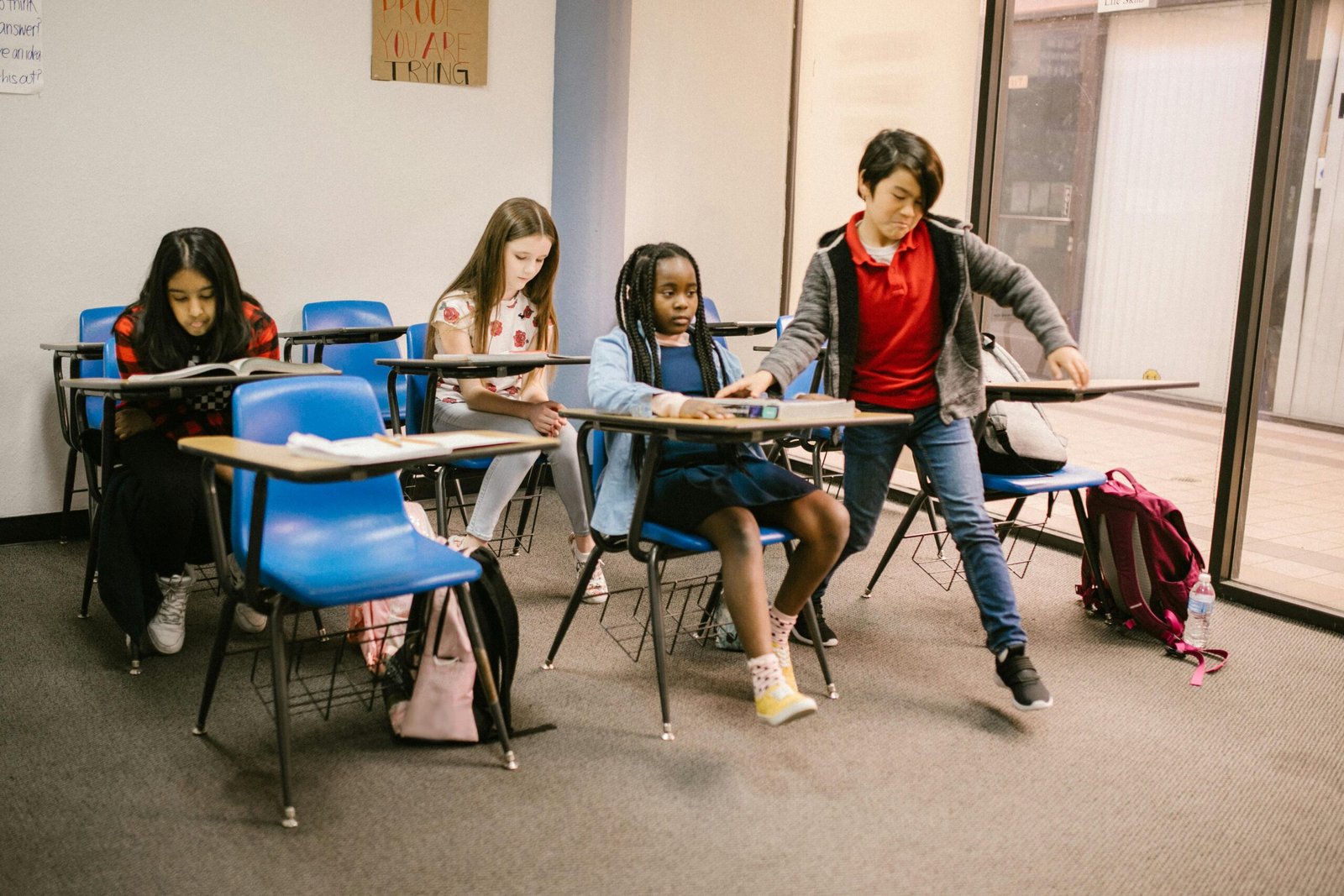
How Can Schools Create a Bully-Free Environment?
Providing the school with a positive and safe environment is essential in terms of the student well-being, academic achievements, and emotional growth. Bullying has remained a common problem in schools, with students of all ages being affected. It may be in many forms which include physical, verbal, social or cyberbullying. It is an issue that has to be handled in a proactive, systematic and community-based approach and not out of reactive discipline.
Successful schools dealing with bullying put their attention on prevention, education and empowerment. With proper policies, good culture and training of school leaders, schools will be in a position to establish a culture where respect and inclusion are the new order of things.
Establish Clear Policies and Expectations
Clear policies are the starting point of dealing with the issue of bullying in schools. Schools should establish bullying, consequences, and expectations fot students, teams, and parents.
Effective policies should:
There are various bullying forms that must be clearly defined.
Offer easy reporting processes.
Provide a safe and confidential environment to incident reporters.
Add regular and reasonable punishment.
It is easy to communicate expectations, and this will likely make students know boundaries as well as take them seriously. The policies are also supposed to be reviewed frequently in order to keep abreast of the times.
Build a Positive School Culture
Favourable school culture contributes significantly towards discouraging bullying in schools. Students are less likely to indulge in the harmful behaviour when they feel appreciated, respected and connected to them.
The schools can facilitate positive environment by:
Encouraging kindness and inclusivity
Celebrating diversity
Congatulating good behaviour
Establishing secure environments of open communication
This culture is determined by teachers and staff. They can use their day-to-day contact with students to exemplify respect, empathy, and fairness. A supportive environment reduces the likelihood of bullying behaviours taking root.
Empower Students Through Leadership
Empowering students to be active in the creation of their environment is one of the most effective strategies of reducing bullying in schools. In this case, student leadership training comes in really handy.
With the help of leadership programs, students will be able to:
- Get to know how to recognize bullying
- Learn communicating and conflict resolving
- Develop emotional intelligence and empathy
- Gain confidence to speak up
Students who have been trained on how to be leaders and role models are able to inspire their fellow students in a strong manner. It is more likely that peer-led programs are more effective than those which are run by adults since students are more likely to identify with each other.
Encourage Upstander Behaviour
It is due to the silence of the bystanders that many cases of bullying persist. One of the strategies of dealing with bullying in schools would be to encourage students to become upstanders, not spectators.
Upstander-focused student leadership training teaches students how to:
- How to intervene safely in cases of bullying
- Show support to targeted peers
- Report incidences to the adults who can be trusted
- Encourage decent conduct among their peer groups
Once a greater number of students are comfortable enough to intervene or speak up, bullying behaviour would be less tolerated and less common.
Provide Ongoing Education and Awareness
Education plays an important role in deterrence of bullying in schools. Learners have to know how their actions affect others and why empathy and respect are important.
Schools can implement:
Bullying and inclusion in classrooms
Emotional intelligence and communication workshops
Social media and cyberbullying programs.
Activities that build teamwork and understanding
The student leadership training can be integrated in these programs to make the learning more solid and to ensure that students do not merely learn about bullying but they also act in order to prevent it.
Support Teachers and Staff
Educators and personnel are important in detecting and dealing with bullying at schools. They require however, training and resources to respond well.
Schools should provide:
- Professional development on recognizing bullying behaviours
- Guidance on how to intervene appropriately
- Supports to help victims as well as those with bullying behaviour
- Easy reporting and follow-up guidelines
When employees have confidence and encouragement, they are in a better position to deal with situations promptly and at all times.
Involve Parents and the Wider Community
It takes more than classroom cooperation to create a bully-free environment. The community and parents are vital in the reinforcement of positive behaviour.
Schools may involve families through:
- Distributing information on the prevention of bullying
- Fostering a free flow of communication between the children and parents
- Conducting information or workshop sessions
- Offering resources to deal with issues at home
When schools and families work together, efforts to reduce bullying in schools become more effective and consistent.
Monitor and Evaluate Progress
Bullying prevention is a continuous activity. Schools are advised to monitor the performance of their strategies on a regular basis and revise them on a regular basis.
This can include:
- Conducting student surveys
- Monitoring incidences reported
- Getting the feedback of staff and parents
- Evaluation of effectiveness of student leadership training programs
Ongoing assessment assists schools in knowing the areas that should be improved and also makes the prevention efforts sustainable in the long run.
Final thoughts
The establishment of a bully-free atmosphere is not a one-time program. It takes an all-encompassing strategy that involves clear policies, a favourable culture, and participation of the students. The solution to the issue of bullying in schools is the empowerment of students, the implementation of staff support, and the creation of a community that is based on respect and inclusion.
By integrating student leadership training into prevention strategies, schools can encourage students to become confident, empathetic leaders who stand up for one another. When students, teachers, and parents collaborate, schools can become safer places where all students feel safe, supported, and capable of achieving success.