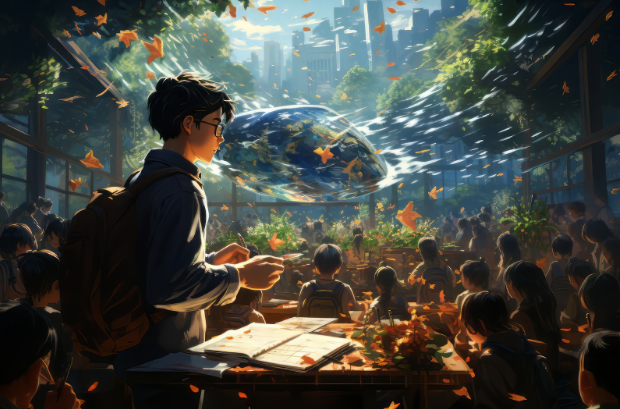
How Artists Are Monetizing Midjourney AI-Generated Images
Artificial intelligence is reshaping how art is created, distributed, and monetized. What once required years of technical skill and expensive tools can now begin with a carefully written text prompt. Midjourney AI has emerged as one of the most influential platforms in this transformation, allowing artists to generate detailed, stylized, and photorealistic images in seconds.
For artists, designers, and digital creators, the biggest question is no longer whether AI can create art. The real question is how these AI-generated visuals can be turned into sustainable income streams. This article explores how artists are monetizing Midjourney AI-generated images, highlighting proven strategies, market trends, and practical opportunities.
How are artists selling AI-generated artwork online?
Artists are using AI-generated visuals to expand their digital art portfolios and sell directly through online marketplaces.
The digital art market has grown rapidly in recent years. According to Statista, the global digital art market surpassed $5.8 billion in revenue in 2023, with continued growth expected as online marketplaces and print-on-demand platforms expand. Midjourney AI allows artists to generate unique artwork quickly, helping them scale production and experiment with multiple styles.
Many creators upload AI-generated artwork to platforms such as Etsy, Redbubble, and Society6. These platforms allow artists to sell downloadable digital prints or physical products featuring their artwork. AI-generated landscapes, fantasy scenes, and abstract visuals are especially popular among buyers seeking visually striking home decor and digital assets.
By generating variations of themes that already perform well in marketplaces, artists can test demand and refine their collections. This process allows creators to respond to trends faster than traditional art workflows.
Can artists use AI-generated images for print-on-demand products?
Print-on-demand products have become one of the most accessible ways to monetize AI artwork.
Print-on-demand platforms allow artists to sell their designs on merchandise such as posters, apparel, phone cases, and canvas prints without managing inventory. The global print-on-demand market is projected to exceed $48 billion by 2030, reflecting strong demand for customized visual products.
Midjourney AI helps artists produce high-resolution, stylized designs that translate well to physical merchandise. For example, artists often create detailed fantasy art, futuristic cityscapes, or nature-inspired designs that resonate with niche audiences. These designs can then be applied to products automatically through print-on-demand integrations.
This business model reduces upfront risk because products are only manufactured after a sale is made. For many independent creators, this allows them to build multiple income streams while focusing primarily on creativity.
How are freelancers offering AI art services to clients?
Freelancers are using AI-generated visuals to deliver creative services faster and at competitive pricing.
Freelance marketplaces such as Fiverr and Upwork have seen significant growth in AI-related design services. Reports indicate that demand for AI-assisted creative services increased by over 35 percent between 2022 and 2024. Artists are now offering services such as concept art, book illustrations, marketing visuals, and branding assets using Midjourney AI.
Clients benefit from faster turnaround times, while freelancers can accept more projects due to increased efficiency. Artists often combine AI-generated visuals with manual refinement to ensure professional quality and originality. This hybrid workflow maintains creative authenticity while leveraging the speed of AI.
How are artists using Midjourney AI to create stock image collections?
Stock imagery has evolved from generic photography to stylized and niche-focused visual assets.
Businesses and marketers constantly need fresh visual content for blogs, ads, and social media campaigns. Artists are creating AI-generated stock image collections tailored to specific industries such as technology, wellness, and finance. These collections are then sold through stock platforms or personal websites.
Many teams create content using midjourney ai generator with invideo to develop consistent visual libraries that can be reused across multiple projects. This approach allows artists to produce themed visual sets that attract buyers looking for cohesive branding imagery.
Stock images remain one of the most scalable monetization models because a single asset can generate revenue repeatedly. With AI tools accelerating production, artists can build large, diverse portfolios faster than ever before.
How are creators turning AI artwork into video content?
Artists are transforming static AI visuals into dynamic video content to increase engagement and revenue potential.
Video content drives significantly higher engagement compared to static images. Studies show that social media posts featuring video receive up to 48 percent more engagement than image-based posts. Many artists convert AI-generated artwork into short animations, promotional videos, or storytelling visuals.
Some creators pair their artwork with an ai video generator to transform still images into motion-based content. This helps artists expand their offerings into video marketing, social media campaigns, and digital storytelling projects. Video content often commands higher pricing, which increases earning potential for creators who adapt their visuals into multimedia formats.
Are artists licensing AI-generated images for commercial use?
Licensing is becoming a reliable income stream for creators producing AI-generated visuals.
Commercial licensing allows businesses to use artwork for advertisements, websites, and branded campaigns. The global licensing market for visual content generates billions of dollars annually, with companies continuously searching for fresh and exclusive visuals.
Artists using Midjourney AI can create custom artwork tailored to brand identities, seasonal campaigns, or product launches. Licensing agreements often provide recurring revenue, especially when artwork is used across multiple campaigns or digital platforms.
To succeed in licensing, artists typically focus on originality and maintain clear documentation of their creative process. Businesses prefer visuals that feel unique and aligned with their branding strategy.
How are artists building personal brands around AI-generated art?
Personal branding helps artists transform AI-generated visuals into long-term business opportunities.
Social platforms such as Instagram, TikTok, and Pinterest have become powerful discovery channels for digital artists. Creators share behind-the-scenes prompt development, artwork progression, and final outputs to attract followers and potential clients.
Artists who document their creative process often build communities around their style and storytelling. This audience engagement can lead to sponsorships, commissions, and collaboration opportunities. Research shows that creators with strong personal branding can earn up to 70 percent more through diversified revenue streams compared to artists relying solely on marketplace sales.
Building a recognizable visual identity also increases trust and perceived value, which helps artists charge premium pricing for their work.
What challenges do artists face when monetizing AI-generated images?
AI-generated art introduces new opportunities but also requires careful planning and ethical consideration.
One major challenge is market saturation. Because AI tools allow rapid content creation, competition is increasing across marketplaces. Artists must differentiate themselves through style, storytelling, and quality control.
Copyright and ownership discussions also remain evolving topics in AI-generated art. Artists should review platform policies and ensure their prompts and workflows produce unique outputs. Many successful creators treat AI as a collaborative tool rather than a replacement for artistic vision.
Additionally, refining AI outputs often requires post-production editing to meet professional standards. Artists who invest time in polishing and customizing their work tend to achieve stronger commercial results.
How can beginners start monetizing AI-generated artwork?
Beginners can enter the AI art market by focusing on niche themes and consistent output.
New artists often begin by exploring popular visual categories such as fantasy landscapes, motivational posters, or digital wallpapers. Market research helps identify trending styles and audience preferences. Starting with digital downloads or print-on-demand products allows creators to test demand without major financial investment.
Learning prompt engineering is another key skill. Artists who master descriptive prompts can produce higher-quality outputs and build repeatable workflows. Over time, combining AI efficiency with personal creativity helps creators stand out in competitive marketplaces.
Conclusion
Midjourney AI is changing how artists approach creativity and income generation. By enabling rapid image creation from text prompts, it opens opportunities across digital marketplaces, licensing, freelance services, and multimedia content production.
Artists who succeed in monetizing AI-generated images understand that technology alone is not enough. Strategic positioning, consistent branding, and thoughtful refinement remain essential. When combined with creativity and market awareness, Midjourney AI becomes more than a design tool. It becomes a powerful platform for building scalable and sustainable artistic careers.